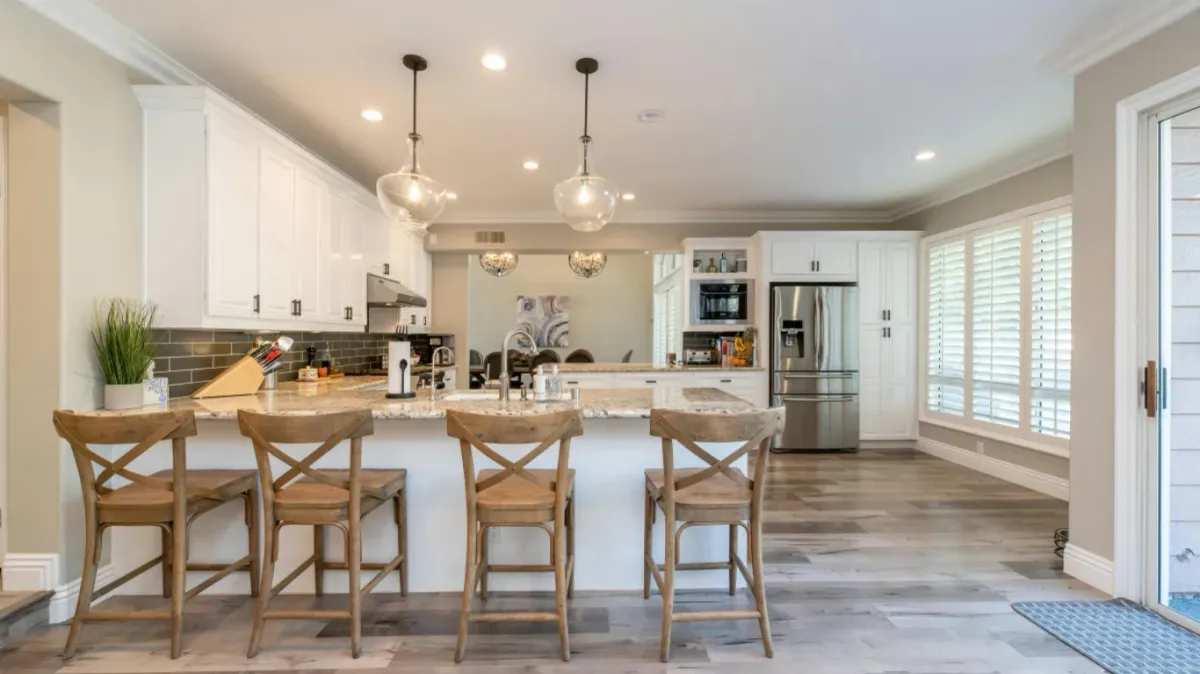
Home as a Sanctuary
In a world filled with noise and constant demands, home has become more than a place to live—it’s a sanctuary for rest, healing, creativity, and self-expression. Discover how intentional design, wellness, and slow living are redefining what it means to truly feel at home
In today’s fast-paced and hyperconnected world, the meaning of “home” has transformed dramatically. Once viewed simply as a physical structure, a place to eat, sleep, and store possessions, the home has evolved into something far more emotional and deeply personal. It is now considered a sanctuary: a refuge from the overwhelming demands of modern life, a space for healing, creativity, rest, and self-expression.
As society becomes increasingly consumed by digital noise, endless productivity, and social pressure, people are turning inward. They are searching for calm in the middle of chaos and discovering that the most meaningful luxury is no longer extravagance, but peace. In this cultural shift, fashion, lifestyle, wellness, and interior design have become interconnected, shaping homes that nurture both body and mind.
The modern sanctuary is not defined by size, wealth, or perfection. It is defined by intention.
Th Evolution of Home
Historically, homes were primarily functional. They provided safety, shelter, and practicality. Over time, however, homes also became symbols of status and achievement. Grand architecture, designer interiors, and curated spaces reflected social identity and financial success.
But in recent years, especially following global lifestyle changes brought about by remote work, mental health awareness, and digital fatigue, the emotional role of home has gained greater importance than ever before.
People now seek homes that support well-being rather than simply showcase aesthetics. The conversation has shifted from “How does it look?” to “How does it feel?”
This evolution reflects a larger cultural realization: environments influence emotional health. The spaces people inhabit affect mood, productivity, relationships, creativity, and even physical wellness. A chaotic environment can increase stress and anxiety, while a thoughtfully designed home can create calm, focus, and emotional balance.
As a result, homes are no longer passive spaces. They are active participants in everyday life.
Sanctuary in an Age of Overstimulation
Modern life rarely slows down. Notifications arrive endlessly. Work follows people home through laptops and smartphones. Social media creates pressure to constantly perform, compare, and consume. Cities are louder, schedules are fuller, and personal boundaries are increasingly blurred.
In response, people crave stillness.
The home sanctuary has emerged as a counterbalance to external chaos. It is a place where people can disconnect from performance and reconnect with authenticity. Within its walls, individuals seek comfort not only physically, but psychologically and emotionally.
This explains why many contemporary lifestyle trends focus on softness, simplicity, and sensory comfort. Warm lighting replaces harsh brightness. Neutral tones replace overstimulating colors. Natural textures replace cold, industrial surfaces. Homes are becoming quieter — not only in sound, but in emotional energy.
The sanctuary concept is ultimately rooted in protection. It protects peace, mental health, identity, and emotional well-being.
The Emotional Language of Interior Design
Interior design today goes far beyond decoration. It has become emotional storytelling.
Every detail within a home communicates something about the person living there. The colors chosen, the textures layered, the scents present, and even the arrangement of furniture contribute to the emotional atmosphere of a space.
Designers increasingly emphasize “emotional interiors” — spaces intentionally created to influence mood and promote wellness. Earthy palettes, soft fabrics, curved furniture, natural materials, and open layouts are favored because they create a sense of calm and grounding.
Biophilic design, which incorporates nature into interiors, has also grown significantly in popularity. Indoor plants, natural light, stone accents, wooden furniture, and organic textures reconnect people with the outdoors, offering psychological relief from heavily digital lifestyles.
Lighting, in particular, plays a powerful role. Warm ambient lighting creates intimacy and comfort, while natural sunlight improves mood and energy levels. Even small changes — such as replacing cold fluorescent lights with softer alternatives — can dramatically transform how a space feels emotionally.
Texture has also become central to sanctuary living. Bouclé chairs, linen bedding, knitted throws, plush rugs, and cotton fabrics create tactile comfort that enhances emotional warmth. These sensory experiences contribute to a feeling of security and relaxation.
Ultimately, sanctuary design is about creating spaces that feel restorative rather than performative.
Fashion Enters the Sanctuary Era
Fashion has undergone a similar transformation. The rise of comfort-driven style reflects changing priorities in modern living.
For years, fashion emphasized structure, formality, and visual impact. Today, however, people increasingly value softness, functionality, and emotional ease. The growing popularity of loungewear, relaxed tailoring, oversized silhouettes, knitwear, and neutral palettes reflects a broader lifestyle movement centered around comfort and intentional living.
The boundary between indoor and outdoor fashion has blurred. Clothing once reserved for private spaces — matching knit sets, slippers, robes, soft cotton pieces — is now embraced as everyday style. Comfort has become aspirational.
This shift also gave rise to “quiet luxury,” an aesthetic rooted in understated elegance rather than conspicuous branding. Instead of flashy logos and trend-driven consumption, many consumers now prioritize timeless pieces, high-quality fabrics, and versatile clothing that feels personal rather than performative.
Fashion within the sanctuary lifestyle is deeply connected to emotion. Clothing affects mood, confidence, and mental state. Soft fabrics can create feelings of safety and relaxation, while intentional dressing rituals help people transition emotionally between different parts of the day.
Changing into comfortable clothes after work, applying skincare before bed, lighting candles, or wearing favorite sleepwear are no longer viewed as trivial habits. They have become acts of self-care and emotional grounding.
In this sense, fashion is no longer solely about appearance. It is about experience.
The Rise of Wellness Culture at Home
The sanctuary movement is closely tied to the growing emphasis on wellness and mental health. As people become more aware of stress, burnout, and emotional fatigue, homes are increasingly designed to support holistic well-being.
This shift has led to the rise of wellness-centered spaces within the home:
meditation corners,
yoga studios,
reading nooks,
spa-inspired bathrooms,
journaling spaces,
creative studios,
and quiet areas dedicated to rest and reflection.
These spaces are not necessarily large or expensive. Often, they are simple, intentional corners designed to encourage mindfulness and pause.
Daily rituals also play an important role in sanctuary living. Morning coffee routines, evening skincare rituals, mindful cooking, slow breakfasts, and screen-free evenings help create structure and emotional stability in otherwise hectic lives.
Scent has become another essential aspect of home wellness. Candles, essential oils, incense, and diffusers influence mood through sensory memory. Lavender promotes relaxation, citrus energizes, and sandalwood creates grounding warmth. These subtle details shape how people emotionally experience their spaces.
Sound matters too. Soft playlists, ambient music, rainfall sounds, and quiet environments contribute to creating peaceful atmospheres that soothe overstimulated minds.
The sanctuary home engages all senses.
The Philosophy of Slow Living
At the heart of sanctuary culture lies the philosophy of slow living — a lifestyle that encourages intentionality, mindfulness, and presence over speed and excess.
Slow living does not mean laziness or lack of ambition. Rather, it means choosing quality over quantity and meaning over constant productivity.
In practice, slow living can take many forms:
cooking meals carefully instead of rushing,
purchasing fewer but better-made items,
spending time offline,
prioritizing meaningful relationships,
embracing rest without guilt,
and creating routines that allow space for reflection.
This philosophy directly influences the way people shape their homes. Clutter is minimized not simply for visual cleanliness, but for mental clarity. People increasingly choose pieces that serve emotional value rather than impulsive consumption.
Minimalism, once associated with stark emptiness, has evolved into intentional simplicity. Homes are becoming less about perfection and more about authenticity.
The sanctuary lifestyle encourages people to ask:
“What truly adds value to my life?”
Home as an Extension of Identity
One of the most powerful aspects of sanctuary living is personalization.
Unlike public spaces shaped by expectations and social performance, the home allows individuals to express themselves honestly. A sanctuary reflects personality, memory, culture, and emotional identity.
Some people create homes filled with books, art, travel souvenirs, and layered textures that tell stories. Others find comfort in clean minimalism, monochromatic palettes, and open silence. Some embrace vintage charm, while others lean toward modern simplicity.
There is no single formula for sanctuary because comfort is deeply personal.
The rise of curated living reflects a growing desire for authenticity. People want spaces that feel lived in rather than staged. Handmade ceramics, family heirlooms, thrifted furniture, handwritten notes, and sentimental objects contribute emotional depth to a home.
Even imperfections become meaningful. A worn chair, faded photographs, uneven shelves, or scratched tables often carry emotional significance that pristine showroom interiors cannot replicate.
Sanctuary is created through emotional connection, not perfection.
Digital Culture and the Sanctuary Aesthetic
Social media platforms have undeniably shaped modern lifestyle culture. Platforms centered around interiors, wellness, and fashion have popularized aesthetic movements such as:
cozy minimalism,
Scandinavian design,
Japandi interiors,
cottagecore,
clean living,
and quiet luxury.
These trends reflect collective desires for calm, warmth, and simplicity.
However, the rise of online aesthetics has also created tension. Many homes are designed for visual validation rather than genuine comfort. Perfectly curated interiors can sometimes feel emotionally empty when they prioritize appearance over lived experience.
True sanctuary living goes beyond aesthetics. It is not about creating a home that looks peaceful online, but one that genuinely feels peaceful offline.
The most comforting homes are rarely flawless. They are homes filled with routine, familiarity, and emotional honesty.
Sustainability and Conscious Living
The sanctuary movement has also encouraged more sustainable and mindful consumption habits.
As people become more intentional about their spaces, they are increasingly moving away from fast furniture and trend-driven purchasing. Instead, many choose timeless designs, durable materials, and ethically produced goods.
Vintage shopping, upcycling, handmade décor, and local craftsmanship have become increasingly valued because they offer individuality and emotional connection.
Sustainability within sanctuary living is not solely environmental; it is emotional. People are learning that constantly replacing possessions rarely creates lasting fulfillment. Instead, meaningful spaces are built gradually over time through thoughtful choices.
This slower approach to consumption reflects a broader cultural desire for permanence in an increasingly disposable world.
The Psychology of Comfort
Psychologists often emphasize the importance of “safe spaces” in emotional regulation. A sanctuary home provides predictability, familiarity, and security — all of which are essential for mental well-being.
Comforting environments reduce stress hormones, improve sleep quality, and promote emotional recovery. This explains why people often feel emotionally attached to certain scents, blankets, lighting conditions, or routines.
The sanctuary home acts as a psychological anchor.
During periods of uncertainty, grief, stress, or exhaustion, people instinctively seek spaces that provide emotional reassurance. Home becomes a place where vulnerability is allowed and emotional masks can be removed.
In many ways, sanctuary living is not merely a design trend. It is a response to collective emotional exhaustion.
Coming Home to Yourself
Ultimately, the idea of home as a sanctuary is about more than interiors, fashion, or lifestyle trends. It is about creating a life that feels emotionally sustainable.
In a culture obsessed with speed, visibility, and achievement, the sanctuary represents something radically different: stillness, presence, and self-connection.
It is where routines become rituals.
Where comfort becomes healing.
Where clothing softens into emotional ease.
Where silence becomes restorative rather than lonely.
Where identity is expressed without performance.
The sanctuary home reminds people that beauty is not only something seen — it is something felt.
And perhaps that is why this movement continues to resonate so deeply across fashion, wellness, and lifestyle culture today. In uncertain times, people are not simply searching for beautiful homes.
They are searching for peace.
And increasingly, they are discovering that the sanctuary they seek begins within the spaces they call home.
