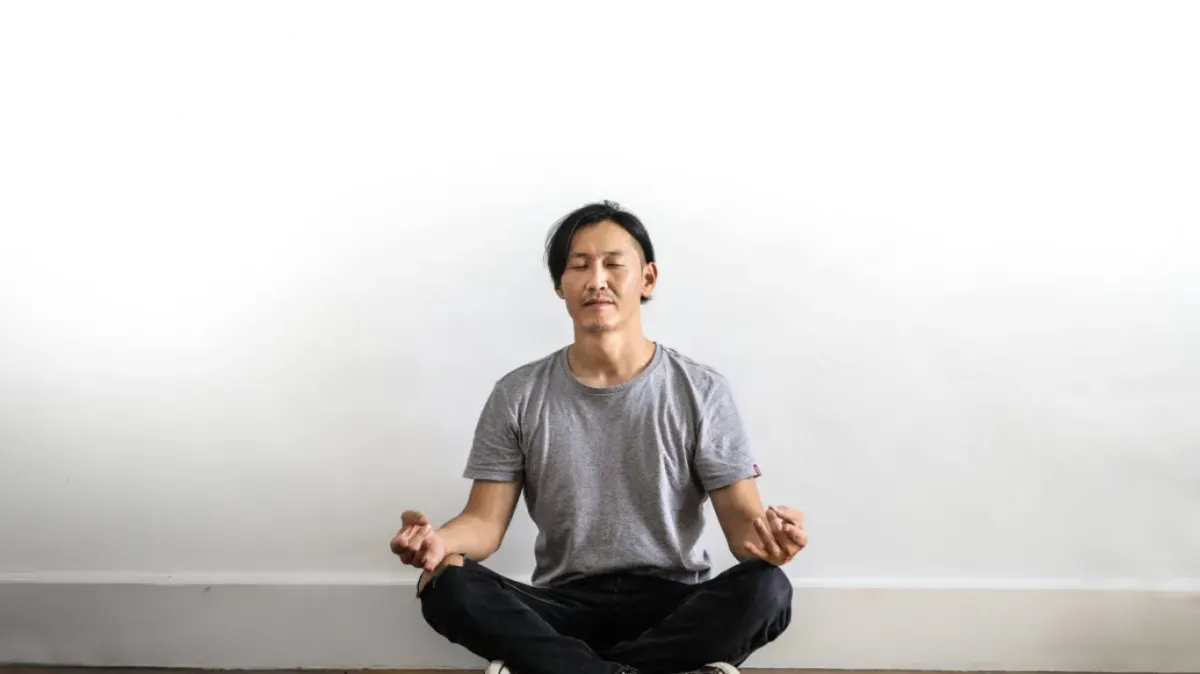
The Discipline of Peace
In a world full of noise, mental clarity is a superpower. Through mindfulness, rest, self-awareness, and intentional habits, we can create space for focus, resilience, and inner peace amidst the chaos.
The modern world is louder than ever before. Notifications flash across screens every second, endless information competes for attention, and the pressure to constantly perform has become part of everyday life. Many people wake up already overwhelmed, carrying stress before the day even begins. In this fast-moving environment, mental clarity has become one of the most valuable forms of wellness.
Mental clarity is more than simply “thinking clearly.” It is the ability to remain calm, focused, emotionally balanced, and mentally present despite external chaos. It is the state of mind that allows a person to make thoughtful decisions, process emotions effectively, and maintain inner stability. While previous generations often focused primarily on physical health, today’s society is beginning to recognize that the mind requires the same level of attention, discipline, and care.
For years, mental wellness was often overlooked or misunderstood. Stress was normalized, emotional exhaustion was ignored, and many individuals believed that productivity mattered more than peace of mind. However, growing scientific research has changed the conversation. Psychologists, neuroscientists, wellness experts, and medical professionals now agree that mental health is deeply connected to every aspect of human life. Emotional stress affects sleep, immunity, relationships, memory, focus, and even physical disease.
As a result, practices such as meditation, breathwork, mindfulness, journaling, and emotional self-care are no longer viewed as trends reserved for spiritual communities. They are increasingly becoming essential tools for daily living. Schools teach mindfulness to students. Companies encourage meditation breaks. Athletes train mental resilience alongside physical endurance. Even hospitals and therapy centers integrate mindfulness techniques into treatment programs.
Mental clarity is not about escaping reality or avoiding difficult emotions. Instead, it involves learning how to observe thoughts without becoming consumed by them. It is the discipline of maintaining peace within the mind while navigating the challenges of life. In many ways, mental clarity has become a survival skill for the modern era.
Human Mind in a Distracted World
The human brain was never designed to process the overwhelming amount of information people consume daily. Social media feeds, news updates, advertisements, emails, videos, and constant digital communication place immense pressure on the nervous system. The result is mental fatigue.
Mental fatigue often appears quietly. A person may struggle to focus, forget simple tasks, feel emotionally reactive, or experience persistent anxiety without understanding why. Over time, overstimulation weakens concentration and reduces emotional resilience. Many people become trapped in cycles of overthinking, stress, and distraction.
The average person spends hours each day multitasking between screens, conversations, and responsibilities. While technology has improved communication and productivity, it has also shortened attention spans. People now consume information rapidly but rarely allow themselves moments of silence or reflection.
This constant stimulation activates the brain’s stress response. Cortisol, commonly known as the stress hormone, increases when the body perceives pressure or danger. Although cortisol is useful in emergencies, chronic stress keeps the body in a prolonged state of alertness. Over time, this can contribute to anxiety, depression, insomnia, and physical illness.
Mental clarity begins with awareness. Individuals must first recognize how external noise influences internal peace. Many people unknowingly absorb negativity from social media, toxic environments, or unhealthy relationships. Emotional overload can cloud judgment and make even simple decisions feel exhausting.
One of the most powerful ways to restore mental clarity is by intentionally slowing down. Silence, reflection, and mindful pauses allow the nervous system to recover. Instead of constantly reacting to stimuli, individuals learn to respond with greater awareness and emotional control.
The mind is similar to water. When water is disturbed, it becomes cloudy and difficult to see through. When it becomes still, clarity naturally returns. In the same way, mental stillness allows thoughts, emotions, and priorities to become clearer.
Mindfulness as Modern Medicine
Mindfulness has emerged as one of the most respected wellness practices in modern health science. Although mindfulness has roots in ancient traditions, contemporary research now supports its effectiveness in reducing stress, improving focus, and enhancing emotional well-being.
Mindfulness simply means paying attention to the present moment without judgment. Instead of dwelling on the past or worrying about the future, mindfulness teaches individuals to become fully aware of what is happening right now.
This practice may sound simple, yet it is incredibly powerful. Many people spend much of their lives mentally disconnected from the present. They replay past mistakes, anticipate future problems, or operate on autopilot without truly experiencing life.
Mindfulness interrupts this cycle.
Studies have shown that mindfulness meditation can lower stress levels, reduce symptoms of anxiety and depression, improve memory, and increase emotional resilience. Brain scans reveal that regular mindfulness practice may even change the structure of the brain by strengthening areas associated with attention, empathy, and emotional regulation.
One reason mindfulness is effective is that it teaches people how to observe thoughts rather than become controlled by them. Thoughts constantly arise within the mind, but mindfulness encourages individuals to notice these thoughts without immediately reacting.
For example, a person experiencing stress may automatically think, “I cannot handle this.” Without mindfulness, that thought may trigger panic or emotional overwhelm. Through mindfulness, the individual learns to pause and recognize that thoughts are temporary mental events rather than absolute truths.
Mindfulness also improves emotional awareness. Instead of suppressing emotions or exploding under pressure, individuals become more capable of identifying feelings calmly and responding in healthy ways.
Today, mindfulness programs are used in schools, therapy clinics, workplaces, sports training, and healthcare institutions. Doctors recommend mindfulness for stress management, chronic pain, sleep disorders, and emotional health.
What was once considered an alternative practice is now recognized as a legitimate form of mental healthcare.
Meditation and the Power of Stillness
Meditation is one of the oldest methods for cultivating inner peace and mental clarity. For thousands of years, cultures around the world have practiced meditation to strengthen awareness, emotional balance, and spiritual understanding.
In modern society, meditation has become increasingly important because people rarely experience true silence. Even moments of rest are often interrupted by phones, television, or constant thinking.
Meditation creates intentional stillness.
At its core, meditation involves focusing attention while allowing the mind to settle naturally. Some forms of meditation focus on breathing, while others involve repeating phrases, observing thoughts, or practicing gratitude.
One of the greatest misconceptions about meditation is the belief that the mind must become empty. In reality, meditation is not about eliminating thoughts. It is about learning to observe thoughts without becoming attached to them.
During meditation, individuals may notice worries, memories, or distractions arising in the mind. Instead of fighting these thoughts, they gently return attention to the breath or chosen focus point.
Over time, this process strengthens mental discipline.
Regular meditation offers numerous benefits. People who meditate consistently often report lower stress levels, improved sleep, greater emotional control, and increased concentration. Meditation may also reduce blood pressure, improve immune function, and support overall mental health.
Meditation teaches patience in a world addicted to speed.
Even short periods of daily meditation can create noticeable changes. Five to ten minutes of stillness each morning may help individuals begin the day with greater calm and focus.
Many successful leaders, athletes, and creatives practice meditation because it improves performance while reducing emotional burnout. Instead of operating from panic or distraction, meditation trains the mind to remain centered.
Stillness is not weakness. It is under control.
Breathwork and the Science of Calm
Breathing is one of the few bodily functions that operate both automatically and consciously. While most people rarely think about breathing, the breath has a direct impact on emotional and physical states.
When people experience stress or fear, breathing often becomes shallow and rapid. This signals the nervous system to remain alert. In contrast, slow and intentional breathing activates the body’s relaxation response.
Breathwork refers to conscious breathing techniques designed to regulate emotions, reduce stress, and improve mental focus.
Scientific research shows that controlled breathing can lower heart rate, reduce anxiety, and calm the nervous system. Breathwork is increasingly used in therapy, athletic performance, meditation, and stress management programs.
One popular breathing method is diaphragmatic breathing, also known as deep belly breathing. This technique involves inhaling deeply through the nose while expanding the abdomen, then exhaling slowly.
Another widely practiced technique is box breathing, often used by athletes, military personnel, and professionals in high-pressure environments. Box breathing follows a simple pattern:
Inhale for four seconds
Hold your breath for four seconds
Exhale for four seconds
Hold again for four seconds
This rhythmic breathing pattern helps stabilize the nervous system and improve concentration.
Breathwork is powerful because it allows individuals to influence their mental state almost immediately. During moments of stress, intentional breathing creates space between emotion and reaction.
Many people underestimate the connection between breath and emotion. However, calming the breath often calms the mind.
Breathing exercises also encourage mindfulness because they anchor attention to the present moment. Instead of becoming trapped in anxious thoughts, individuals reconnect with their physical experience.
In a world where stress is constant, the breath becomes an accessible tool for restoring balance and clarity.
Emotional Hygiene and Mental Self-Care
Just as physical hygiene protects the body from illness, emotional hygiene protects the mind from emotional exhaustion and negativity.
Many people take care of their physical appearance daily but neglect their emotional well-being. They suppress stress, ignore burnout, avoid difficult emotions, and continue functioning until emotional fatigue becomes overwhelming.
Emotional hygiene involves consistently caring for emotional health through healthy habits, boundaries, reflection, and self-awareness.
One essential aspect of emotional hygiene is learning to process emotions instead of avoiding them. Suppressed emotions often resurface through anxiety, anger, sadness, or physical tension.
Healthy emotional processing may include:
Journaling thoughts and feelings
Talking with trusted friends or therapists
Practicing mindfulness
Allowing space for grief or frustration
Engaging in creative activities
Resting when emotionally overwhelmed
Setting emotional boundaries is equally important. Constant exposure to toxic environments, unhealthy relationships, or negative media can damage mental clarity.
Many individuals feel guilty for protecting their peace, yet boundaries are necessary for emotional health. Saying “no” to draining situations creates space for healing and balance.
Another important part of emotional hygiene is self-compassion. Modern culture often encourages harsh self-criticism and perfectionism. However, mental clarity improves when individuals treat themselves with patience and understanding.
No human being is emotionally strong at every moment. Emotional wellness requires rest, forgiveness, and kindness toward oneself.
Mental self-care also includes recognizing when professional help is necessary. Therapy, counseling, and psychological support are valuable tools for managing emotional struggles.
Seeking help is not a weakness. It is an act of courage and self-respect.
Digital Overload and the Need for Silence
Technology has transformed human life in remarkable ways, yet constant digital exposure has also created new psychological challenges.
People are now connected to information twenty-four hours a day. Phones rarely leave their hands. Social media platforms compete aggressively for attention, encouraging endless scrolling and comparison.
As a result, many individuals experience digital overload.
Digital overload occurs when excessive screen time and information consumption overwhelm the brain’s ability to process stimulation effectively.
Symptoms may include:
Difficulty focusing
Mental exhaustion
Anxiety
Sleep problems
Emotional irritability
Reduced creativity
Constant distraction
Social media also affects emotional health through comparison culture. Individuals often compare their lives to carefully curated online images, leading to feelings of inadequacy or dissatisfaction.
The pressure to remain constantly available online creates additional stress. Many people feel unable to disconnect, fearing they might miss opportunities, information, or social interactions.
Mental clarity requires periods of silence and disconnection.
Digital detox practices are becoming increasingly popular as people seek relief from constant stimulation. A digital detox may involve limiting screen time, turning off notifications, spending time outdoors, or creating technology-free spaces within the home.
Silence is essential for mental recovery.
Without silence, the mind never fully rests. Constant noise prevents deep reflection, creativity, and emotional processing.
Nature often provides the silence that modern environments lack. Walking outdoors, sitting near water, or spending time in green spaces can calm the nervous system and restore mental balance.
Learning to disconnect from technology periodically is not about rejecting modern life. It is about reclaiming attention, presence, and peace.
Sleep, Rest, and Cognitive Renewal
Mental clarity cannot exist without proper rest.
Sleep is one of the most important biological functions for emotional regulation, memory, learning, and overall brain health. Yet modern lifestyles often prioritize productivity over recovery.
Many people sacrifice sleep to meet deadlines, consume entertainment, or stay connected online. Unfortunately, chronic sleep deprivation weakens cognitive performance and emotional resilience.
During sleep, the brain performs essential restorative processes. It consolidates memories, removes waste products, regulates hormones, and repairs neural pathways.
Insufficient sleep affects nearly every aspect of mental performance. Individuals who lack sleep may experience:
Poor concentration
Irritability
Mood instability
Slower reaction times
Increased stress
Reduced problem-solving ability
Memory difficulties
Sleep also plays a major role in emotional regulation. Exhausted individuals are more likely to react emotionally to stress and struggle with impulse control.
Creating healthy sleep habits is essential for mental wellness.
Good sleep hygiene may include:
Maintaining a consistent sleep schedule
Limiting screen exposure before bed
Reducing caffeine intake late in the day
Creating a calm sleeping environment
Practicing relaxation techniques before bedtime
Rest is not laziness.
In a culture obsessed with constant productivity, many people feel guilty for slowing down. However, rest allows the brain and body to recover.
Mental clarity flourishes when the nervous system receives adequate restoration.
Movement, Nutrition, and Brain Health
The mind and body are deeply connected. Mental clarity is influenced not only by thoughts and emotions but also by physical health.
Exercise has profound effects on mental wellness. Physical movement increases blood flow to the brain, supports cognitive function, and releases chemicals such as endorphins and serotonin that improve mood.
Regular exercise may reduce symptoms of anxiety and depression while increasing confidence and emotional stability.
Movement does not always require intense workouts. Walking, yoga, stretching, dancing, and mindful movement practices all contribute to mental health.
Yoga, in particular, combines physical movement with breath awareness and mindfulness. This integration supports both emotional and physical balance.
Nutrition also affects cognitive performance and emotional stability.
The brain requires proper nutrients to function effectively. Diets high in processed foods, excessive sugar, and unhealthy fats may contribute to fatigue, mood swings, and poor concentration.
In contrast, balanced nutrition supports mental clarity.
Foods commonly associated with brain health include:
Fruits and vegetables
Whole grains
Nuts and seeds
Omega-3-rich foods
Hydration through adequate water intake
Gut health also plays a role in emotional wellness. Researchers increasingly recognize the connection between the digestive system and the brain, often referred to as the gut-brain axis.
A healthy lifestyle supports not only physical strength but also emotional resilience and mental focus.
The Importance of Presence and Human Connection
Despite advances in technology and communication, many people feel emotionally disconnected.
True mental wellness depends not only on internal practices but also on meaningful human relationships.
Presence is one of the greatest gifts people can offer one another.
However, modern distractions often prevent genuine connection. Conversations are interrupted by phones. Meals are rushed. Attention becomes divided.
Mindful communication strengthens relationships by encouraging active listening, empathy, and emotional awareness.
When individuals are fully present during interactions, relationships become more authentic and emotionally supportive.
Healthy relationships contribute significantly to mental clarity because emotional safety reduces stress and loneliness.
Loneliness has become a growing global concern. Research shows that chronic loneliness may negatively affect both mental and physical health.
Supportive communities provide emotional comfort during difficult times. Friends, family members, mentors, and support groups all play valuable roles in emotional well-being.
Connection also reminds individuals that they are not alone in their struggles.
Many people silently carry anxiety, grief, or emotional exhaustion while appearing functional externally. Honest conversations create opportunities for healing and understanding.
Mental clarity is strengthened when people feel seen, heard, and valued.
Building a Daily Practice of Peace
Mental clarity is not achieved through a single meditation session or temporary wellness trend. It is cultivated through daily habits and intentional choices.
Peace requires discipline.
In a distracted world, protecting mental wellness demands consistency. Small daily practices often create the greatest long-term transformation.
A daily practice of peace may include:
Morning meditation or breathing exercises
Journaling thoughts and intentions
Limiting unnecessary screen time
Spending time outdoors
Practicing gratitude
Maintaining healthy sleep routines
Engaging in mindful movement
Creating moments of silence throughout the day
These practices help individuals reconnect with themselves.
Mental clarity also involves accepting imperfection. No person remains calm or emotionally balanced at every moment. The goal is not perfection but awareness.
Difficult emotions will still arise. Stressful situations will still occur. However, individuals with strong mental habits are often better equipped to navigate challenges without becoming overwhelmed.
Inner peace is not the absence of chaos. It is the ability to remain grounded despite it.
The discipline of peace requires patience because mental transformation occurs gradually. Just as physical strength develops through repeated exercise, emotional resilience develops through repeated mindfulness and self-awareness.
Every moment of stillness strengthens the mind.
Mental Clarity as the Future of Wellness
The future of wellness is becoming increasingly holistic. People are beginning to understand that true health involves the integration of mind, body, and emotional well-being.
Mental clarity is no longer considered optional. It has become essential for navigating modern life.
As awareness grows, society continues to redefine success. Instead of valuing only productivity, wealth, or external achievement, many individuals now seek balance, presence, emotional intelligence, and peace.
Companies invest in employee mental health programs. Schools teach emotional awareness. Athletes prioritize mental conditioning. Healthcare professionals recognize the role of stress management in disease prevention.
This cultural shift reflects a deeper understanding of human wellness.
Mental fitness is not reserved for moments of crisis. It is a lifelong practice.
The discipline of peace invites individuals to slow down, breathe deeply, and reconnect with what truly matters. It encourages intentional living rather than constant reaction.
In many ways, mental clarity represents a return to simplicity.
The practices that support emotional balance, silence, mindfulness, rest, connection, breath, movement, and gratitude have existed for generations. Yet in the modern world, these simple practices have become revolutionary acts of self-care.
A clear mind creates space for wisdom, compassion, creativity, and resilience.
In a noisy world, peace becomes power.
And within that peace, people rediscover themselves.
