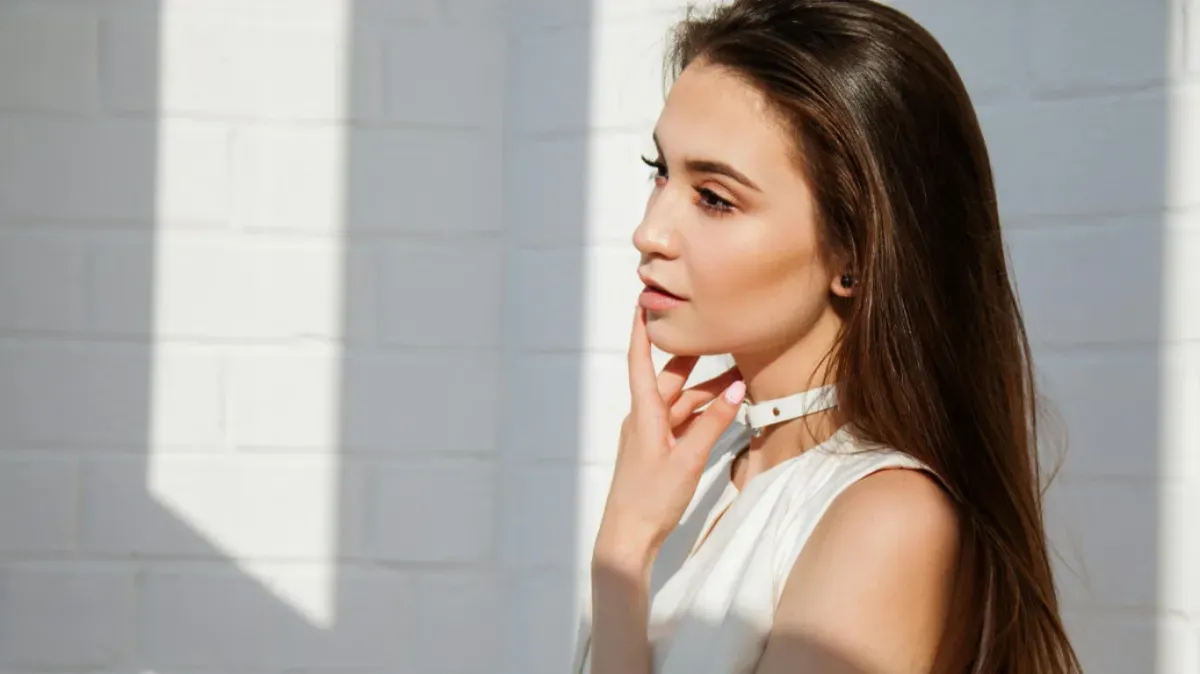
What defines elegance for you?
Elegance is more than what you wear, it’s how you live, think, and carry yourself. From timeless fashion to confidence, sustainability, and authenticity, discover what modern elegance truly means.
Elegance has always carried a mysterious quality. It is often recognized instantly yet difficult to fully explain. Across generations, cultures, and social classes, people have searched for the meaning of elegance in the way they dress, speak, move, and live. For some, elegance exists in luxurious fabrics, polished appearances, and timeless fashion pieces. For others, it is found in simplicity, confidence, kindness, and authenticity. In modern society, where trends constantly evolve and personal identity is increasingly celebrated, elegance has become more personal than ever before.
Fashion and lifestyle are deeply connected to the way elegance is expressed. Clothing is not simply a matter of covering the body; it is a language that communicates personality, values, and emotion. Lifestyle choices, from the way a person decorates their home to how they interact with others, also shape perceptions of elegance. True elegance is not limited to wealth or status. It is reflected in intentional living, self-respect, grace under pressure, and the ability to remain genuine while adapting to the world.
Throughout history, elegance has transformed according to the standards of each era. Ancient civilizations associated elegance with royalty, refinement, and artistic beauty. In European courts, elegance became linked to elaborate gowns, etiquette, and social sophistication. During the twentieth century, elegance evolved again through minimalist fashion, modern tailoring, and the influence of iconic designers who believed simplicity could be more powerful than excess. Today, elegance exists in countless forms because individuals now define beauty and sophistication according to their own experiences and perspectives.
The modern world has also changed how elegance is viewed because social media and digital culture have created constant exposure to trends and lifestyles. Millions of people scroll through curated images of fashion influencers, celebrities, luxury brands, and lifestyle creators every day. While this has expanded access to inspiration, it has also created pressure to meet unrealistic standards. In response, many individuals have started redefining elegance in more meaningful ways. Instead of focusing only on appearance, they now value confidence, emotional intelligence, mindfulness, and sustainability.
The Relationship Between Fashion and Elegance
Fashion has always been one of the strongest expressions of elegance. The clothes people wear communicate more than style preferences; they reflect attitude, confidence, culture, and self-awareness. Elegance in fashion is not determined by how expensive an outfit is but by how thoughtfully it is worn.
Some individuals define elegance through timeless fashion. Classic silhouettes, neutral tones, tailored garments, and high-quality fabrics often create a sophisticated appearance that remains stylish despite changing trends. Pieces such as a little black dress, a structured blazer, a crisp white shirt, or well-fitted trousers have endured because they emphasize balance and simplicity. Timeless fashion values refinement over attention-seeking extravagance.
At the same time, elegance can also exist within bold self-expression. A person wearing vibrant colors, artistic patterns, or unconventional designs may still appear elegant if their choices feel intentional and authentic. Fashion becomes elegant when it reflects confidence rather than insecurity. The most memorable style icons are often individuals who embrace their identity instead of blindly following trends.
The rise of fast fashion has complicated the idea of elegance. Many consumers are encouraged to constantly buy new clothing in order to stay fashionable. However, true elegance often opposes excess consumption. Elegant style values quality over quantity. Carefully chosen garments that last for years reflect thoughtfulness and sustainability. This shift toward mindful fashion has encouraged many people to build capsule wardrobes, invest in durable materials, and support ethical brands.
Elegant fashion also involves understanding proportion, balance, and occasion. Someone who dresses appropriately while maintaining individuality often leaves a stronger impression than someone trying too hard to stand out. Elegance does not scream for attention. Instead, it quietly commands respect through confidence and harmony.
Accessories also play an important role in elegance. Jewelry, handbags, shoes, scarves, and watches can elevate a look when used with moderation and intention. The idea that “less is more” is frequently associated with elegant styling because simplicity often creates sophistication. A single statement piece may have more impact than excessive decoration.
Fashion designers throughout history have shaped society’s understanding of elegance. Designers like Coco Chanel revolutionized women’s fashion by introducing comfort and simplicity into elegance. Her designs emphasized freedom, clean lines, and understated beauty. Audrey Hepburn became an icon of elegance not because of extravagant fashion but because of her poise, grace, and timeless simplicity. Modern designers continue exploring elegance through sustainability, innovation, and inclusivity.
Confidence as the Foundation of Elegance
While fashion can enhance elegance, confidence remains one of its strongest foundations. A person who feels secure in themselves often appears more elegant than someone wearing expensive clothing without self-assurance. Confidence changes posture, communication, and energy.
Elegant individuals carry themselves with calmness and self-respect. They do not constantly seek approval from others because their sense of worth comes from within. This inner confidence influences the way they speak, walk, and interact with the world.
Confidence also allows people to embrace individuality. Many individuals spend years trying to imitate trends or lifestyles that do not truly reflect who they are. Elegance emerges when a person understands themselves and expresses their identity honestly. Someone who dresses according to their personality rather than social pressure often radiates authenticity.
Body language strongly contributes to elegance. Good posture, eye contact, graceful movement, and composed behavior create an impression of self-awareness and dignity. Even in difficult situations, elegant individuals often maintain emotional control and kindness.
Confidence does not mean arrogance. In fact, elegance is often connected to humility. Truly elegant people rarely need to boast about their achievements or possessions. Their actions, attitude, and presence naturally speak for them.
In today’s world, where insecurity is often amplified by comparison culture, developing confidence has become increasingly challenging. Social media encourages people to compare their appearance, lifestyle, and achievements with carefully edited versions of reality. However, elegance cannot thrive in constant comparison. It grows when individuals learn to appreciate their uniqueness and focus on self-development rather than competition.
Self-care is another important part of confidence and elegance. Taking care of physical health, mental well-being, and emotional balance contributes to a positive self-image. Elegance is not perfection. It is the ability to present oneself with care, dignity, and self-respect.
Lifestyle Choices and Everyday Elegance
Elegance extends beyond clothing into everyday lifestyle choices. The way people organize their lives, communicate with others, and spend their time reflects their personal sense of refinement.
An elegant lifestyle often values intentionality. Instead of living carelessly or impulsively, elegant individuals tend to make thoughtful decisions. This may include maintaining a clean environment, prioritizing meaningful relationships, and practicing mindfulness.
The home environment can also reflect elegance. Elegance in interior design does not require luxury or excessive decoration. A calm, organized, and welcoming space often feels more elegant than one filled with unnecessary clutter. Many modern lifestyle trends now focus on minimalism because people increasingly associate simplicity with peace and sophistication.
Table manners, communication skills, and etiquette continue to influence perceptions of elegance as well. Respectful conversation, active listening, and kindness toward others are timeless qualities. Someone who treats people with dignity regardless of status demonstrates emotional elegance.
Time management and discipline are also connected to elegant living. People who value punctuality, responsibility, and balance often appear more composed and reliable. Elegance involves maintaining harmony even during stressful situations.
Travel and cultural appreciation can deepen one’s understanding of elegance. Exposure to different traditions, cuisines, art forms, and lifestyles encourages open-mindedness and sophistication. Many elegant individuals possess curiosity about the world and appreciation for diversity.
Modern wellness culture has also influenced the concept of elegance. Practices such as meditation, yoga, healthy eating, and mindfulness are increasingly associated with refined living because they emphasize balance and self-awareness. Elegance today is not only external but also deeply connected to emotional and mental well-being.
Social behavior remains one of the clearest reflections of elegance. Someone who remains polite during disagreement, compassionate during hardship, and respectful in everyday interactions demonstrates a powerful form of grace. These qualities often leave stronger impressions than physical appearance alone.
The Influence of Culture on Elegance
Elegance is not universal in appearance because every culture defines beauty and refinement differently. What one society considers elegant may differ greatly from another culture’s standards.
In many Asian cultures, elegance is associated with harmony, subtlety, and modesty. Traditional garments such as the kimono, hanbok, or cheongsam reflect careful craftsmanship and cultural symbolism. In European traditions, elegance has historically emphasized tailoring, luxury fabrics, and formal etiquette.
African cultures celebrate elegance through vibrant textiles, detailed patterns, and handcrafted jewelry that carry cultural identity and history. In Middle Eastern fashion, elegance often combines modesty with intricate detail and luxurious materials.
These cultural differences show that elegance is deeply connected to identity and heritage. Fashion and lifestyle become ways of preserving tradition while adapting to modern influences.
Globalization has blended many styles together, allowing people to draw inspiration from different cultures. While this creates creativity and diversity, it also raises important discussions about cultural respect and appropriation. Elegant fashion should appreciate cultural influences responsibly rather than exploit them.
Modern multicultural societies have expanded the definition of elegance beyond narrow beauty standards. Different body types, skin tones, ages, and gender expressions are increasingly represented in fashion and media. This inclusivity has allowed more people to see themselves reflected in elegant imagery.
Cultural elegance also appears in language, hospitality, art, and values. Some cultures emphasize generosity and community as signs of refinement, while others focus on discipline and restraint. These differences enrich the global understanding of elegance.
Sustainability and the New Meaning of Elegance
As environmental awareness grows, sustainability has become an important part of modern elegance. Many people now believe elegance should not come at the cost of environmental damage or unethical labor practices.
The fashion industry is one of the largest contributors to pollution and waste. Fast fashion encourages mass production and disposable clothing habits that harm both people and the planet. In response, sustainable fashion movements promote ethical manufacturing, eco-friendly materials, and conscious consumption.
Elegant living today increasingly involves responsibility. Consumers are paying closer attention to where their clothes are made, how workers are treated, and what environmental impact their purchases create.
Vintage fashion and secondhand shopping have also gained popularity because they combine individuality with sustainability. Many stylish individuals now prefer unique thrifted pieces over mass-produced trends.
Minimalism is closely connected to sustainable elegance. Instead of chasing constant novelty, people are learning to value versatility and longevity. A smaller wardrobe filled with carefully selected pieces often creates less stress and more intentionality.
Beauty and skincare industries are also adapting to sustainable values. Clean beauty products, cruelty-free brands, and environmentally friendly packaging are increasingly associated with modern sophistication.
The idea of elegance is shifting away from excessive luxury toward conscious living. A person who respects nature, supports ethical practices, and consumes responsibly may now be viewed as more elegant than someone who displays wasteful extravagance.
Sustainable elegance also applies to daily habits beyond fashion. Reducing waste, conserving resources, supporting local communities, and practicing mindful consumption all reflect thoughtful living.
Elegance in the Digital Age
Technology and social media have dramatically changed how people present themselves and define elegance. Platforms like Instagram, TikTok, and Pinterest constantly influence fashion and lifestyle trends.
Digital culture allows people to share inspiration, creativity, and personal style with global audiences. Fashion influencers, stylists, and lifestyle creators shape public perceptions of elegance every day.
However, online culture can also create unrealistic expectations. Many social media posts are heavily edited, staged, or filtered to appear flawless. This can lead people to associate elegance with perfection rather than authenticity.
In response, many individuals are embracing more genuine forms of self-expression online. Content focused on natural beauty, mental health, sustainable living, and authenticity has become increasingly popular.
Digital elegance also involves online behavior. Respectful communication, responsible sharing, and thoughtful interaction contribute to a person’s digital presence. In a world where online actions can quickly spread, emotional intelligence has become an important aspect of modern sophistication.
Personal branding has become part of lifestyle culture as well. Many people curate their social media profiles carefully to reflect their identity, values, and aesthetic. While this can inspire creativity, it also raises questions about authenticity.
The challenge of the digital age is balancing self-expression with honesty. Elegance loses meaning when it becomes purely performative. True elegance continues to involve integrity and self-awareness even within online spaces.
Technology has also expanded access to fashion education and inspiration. People from different economic backgrounds can now learn about styling, skincare, wellness, and design through free online content. This democratization has made elegance more accessible than ever before.
Emotional Intelligence and Inner Elegance
One of the most overlooked aspects of elegance is emotional intelligence. Outer beauty and stylish clothing may create first impressions, but emotional maturity creates lasting respect.
Inner elegance involves empathy, patience, and self-control. People who understand their emotions and treat others with compassion often leave the strongest impact.
Kindness has become a powerful form of elegance in a world where negativity and conflict are increasingly visible. A calm voice during disagreement, a thoughtful gesture, or the ability to listen sincerely can reveal deep refinement.
Emotional elegance also involves resilience. Life presents challenges, disappointments, and uncertainty, yet elegant individuals often navigate these experiences with grace. They acknowledge pain without allowing bitterness to define them.
Forgiveness, humility, and gratitude are qualities that contribute to inner sophistication. Unlike superficial trends, these characteristics remain meaningful across all cultures and generations.
Relationships often reveal a person’s true elegance more clearly than fashion ever could. The way someone treats family members, friends, strangers, and service workers reflects their character.
In modern lifestyle culture, there is growing appreciation for emotional wellness and authenticity. More people now recognize that elegance is incomplete without emotional depth and self-awareness.
Inner elegance can also inspire confidence in others. People who radiate calmness, wisdom, and positivity often create environments where others feel comfortable and respected.
Redefining Elegance for the Future
The future of elegance will likely continue evolving alongside social values, technology, and cultural change. Younger generations are already reshaping traditional standards by prioritizing individuality, inclusivity, sustainability, and authenticity.
Modern elegance is becoming less about rigid rules and more about personal alignment. Instead of trying to fit into narrow ideals, people are exploring what elegance means within their own lives.
Fashion brands are increasingly promoting diversity in age, size, gender identity, and cultural representation. This shift acknowledges that elegance cannot be limited to a single image or stereotype.
Technology may continue influencing fashion through virtual clothing, digital runways, and artificial intelligence-generated designs. At the same time, people may increasingly crave human connection, craftsmanship, and authenticity in response to digital overload.
The growing emphasis on wellness, mindfulness, and sustainability suggests that elegance will become even more connected to holistic living. A balanced life filled with purpose, respect, and intentionality may become the ultimate expression of sophistication.
Elegance in the future may also involve adaptability. As societies change rapidly, individuals who can remain graceful, compassionate, and open-minded during uncertainty may stand out the most.
Personal style will continue to evolve beyond trend cycles. More people are choosing clothing and lifestyles that reflect comfort, ethics, and identity rather than temporary popularity.
Ultimately, elegance remains deeply personal. Some define it through fashion and aesthetics, while others see it in kindness, wisdom, and authenticity. The most enduring form of elegance may be the ability to remain true to oneself while treating others and the world with respect.
In every era, elegance reflects the values people choose to prioritize. Whether expressed through timeless clothing, sustainable living, emotional intelligence, or quiet confidence, elegance continues to represent more than appearance. It becomes a reflection of character, intention, and the way a person moves through life with grace and awareness.
