Wild Encounters: Ethical Adventures
The most unforgettable wildlife encounters happen in the wild where animals live freely and nature remains untouched. Discover how ethical wildlife travel, conservation, and responsible tourism are creating adventures that protect both animals and the ecosystems they call home.
There is something unforgettable about seeing an animal in the wild for the very first time. Not on a screen. Not behind glass. But right there alive, untamed, moving freely in its own world.
It might be a whale surfacing beside a boat at sunrise, its breath rising into the cold morning air. It could be a tiger slipping silently through tall grass, almost invisible until it suddenly turns its gaze toward you. Sometimes it is quieter than that. A sea turtle crawls toward the ocean under the moonlight. A troop of monkeys leaping through rainforest trees while the jungle hums around them.
These moments stay with people for years because they remind us of something easy to forget in modern life: nature is not separate from us. It is alive all around us, fragile and powerful at the same time.
But travel has changed. The way people experience wildlife is no longer just about getting close enough for a photo or crossing an animal off a bucket list. More travelers are beginning to ask difficult but necessary questions. What happens behind the scenes? Are the animals safe? Does tourism help protect these places, or slowly destroy them?
Out of those questions, a new kind of adventure has emerged, one built on respect instead of exploitation.
Ethical wildlife travel is changing the meaning of adventure itself.
When Tourism Hurts the Wild
For many years, wildlife tourism focused mostly on entertainment. Travelers rode elephants through crowded parks, posed beside drugged tigers for photographs, watched dolphins perform tricks, or visited attractions where wild animals lived in unnatural conditions for human amusement.
At first glance, many of these experiences appeared harmless. Tourists often believed they were supporting conservation simply because animals were involved. But over time, documentaries, researchers, and conservation groups revealed the darker reality behind many wildlife attractions.
Animals were being separated from their mothers, trained through cruel methods, confined in stressful environments, or forced into constant interaction with humans. In some places, tourism itself damaged ecosystems through overcrowding, pollution, and irresponsible development.
The rise of social media only intensified the problem. Wildlife became content. Travelers chased viral photos without thinking about what the animal endured to create the perfect image.
Thankfully, awareness has grown.
Today, many travelers understand that loving animals also means respecting their boundaries. The goal is no longer to control wildlife for entertainment, but to experience it responsibly and help protect it for future generations.
A Different Kind of Safari
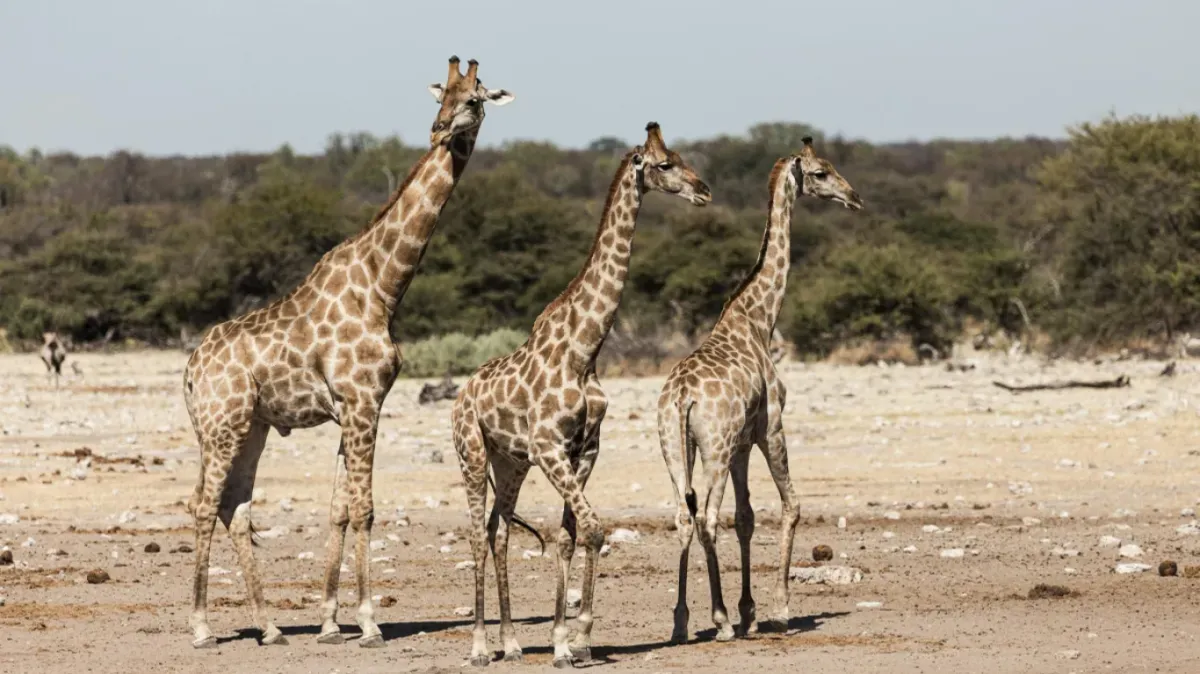
Few travel experiences capture the imagination like an African safari. The idea of driving across open plains while lions rest in the shade and giraffes move across the horizon feels almost dreamlike.
But safaris themselves are evolving.
Across parts of Kenya, Botswana, Namibia, Tanzania, and South Africa, many lodges and tour operators are redefining what responsible tourism looks like. Instead of focusing only on luxury or close encounters, ethical safari operators place conservation at the center of the experience.
Guides are trained to prioritize animal welfare over tourist demands. Vehicles maintain safe distances. Visitor numbers are controlled to reduce stress on wildlife. Some lodges operate on renewable energy and invest directly into habitat protection or anti-poaching programs.
In many areas, local communities are becoming active partners in conservation rather than being excluded from it. Tourism revenue supports schools, jobs, healthcare, and community projects, creating stronger reasons to protect wildlife and natural land.
For travelers, the experience often feels more meaningful because it is real.
There is no performance. No guarantee. Sometimes hours pass without spotting a predator. Sometimes the silence becomes the experience itself, the sound of wind moving through grasslands, distant birds calling across the plains, or elephants slowly gathering near a watering hole at dusk.
That unpredictability is what makes wild encounters powerful. Nature does not exist on command.
And maybe that is exactly why it deserves respect.
Encounters Beneath the Surface
The oceans hold some of the most extraordinary wildlife experiences on Earth. Swimming beside whale sharks, diving among coral reefs, or spotting dolphins in open water can feel almost unreal.
But marine ecosystems are also among the most vulnerable.
Over tourism, pollution, plastic waste, climate change, and irresponsible boating practices have damaged countless coastal environments. In some destinations, marine animals have become dependent on feeding from tourist boats or have altered their natural behavior because of constant human interaction.
As awareness grows, responsible marine tourism is becoming more important than ever.
Ethical operators now follow strict rules designed to protect sea life. Boats reduce speed near animals. Divers are taught not to touch coral reefs or disturb marine species. Group sizes are limited. Wildlife encounters are guided by observation rather than interference.
Some conservation programs even invite travelers to participate directly in environmental work. Visitors may help monitor coral health, support sea turtle conservation projects, or assist researchers documenting marine biodiversity.
These experiences often leave a stronger impression than traditional tourism because they create a connection instead of consumption.
When people witness coral bleaching firsthand or see plastic waste washing onto otherwise beautiful shores, environmental issues stop feeling distant. They become personal.
The Emotional Power of Seeing Wildlife
There is a reason people travel across the world just to spend a few moments observing animals in their natural habitat.
Wildlife encounters have a way of changing perspective.
Watching a gorilla family interact in silence, seeing penguins endure harsh coastal storms, or hearing wolves howl across a frozen landscape reminds people that the world is still full of mysteries untouched by everyday routines.
For many travelers, these experiences create an emotional shift that lasts long after the trip ends.
A person who has watched sea turtles hatch may think differently about plastic pollution. Someone who has seen shrinking glaciers or disappearing rainforests may begin to understand climate change not as an abstract issue, but as something visible and immediate.
Travel becomes more than escape. It becomes awareness.
And awareness often leads to action.
Some travelers return home and support conservation organizations. Others change their habits, reduce waste, or choose more sustainable lifestyles. Some become advocates for protecting ecosystems they once knew nothing about.
In that way, ethical tourism can create a ripple effect far beyond a single journey.
Communities on the Frontlines
Conservation is not only about protecting animals. It is also about supporting the people who live closest to nature.
For decades, many conservation efforts ignored local communities or treated them as obstacles rather than partners. But successful wildlife protection depends heavily on the people who share land with these ecosystems every day.
Around the world, community-based tourism projects are proving that conservation works best when local people benefit directly from protecting nature.
In coastal villages, former fishermen now work as eco guides leading sustainable marine tours. In wildlife regions, local trackers and rangers use generations of environmental knowledge to guide visitors responsibly through natural habitats. Indigenous communities are increasingly becoming leaders in eco-tourism and environmental stewardship.
These partnerships create economic opportunities while preserving both culture and biodiversity.
For travelers, this also leads to richer experiences. Conversations with local guides often reveal deeper stories about the land, wildlife, and traditions connected to these places, stories that no brochure or travel app can fully capture.
Responsible travel is not just about protecting animals. It is about respecting the entire
ecosystems, including the people within them.
The Problem with “Eco-Friendly” Labels
As ethical tourism becomes more popular, another challenge has emerged: greenwashing.
Some companies market themselves as sustainable or eco-friendly without making meaningful changes to their practices. A resort may advertise conservation while contributing to habitat destruction. An attraction may claim to “rescue” animals while still exploiting them for entertainment.
This makes research more important than ever.
Responsible travelers are learning to look beyond marketing language and ask practical questions. Are animals allowed to behave naturally? Does the organization support conservation or rehabilitation? Are interactions forced? Do local communities benefit from tourism revenue? Are visitor numbers managed responsibly? Is the environment being protected long-term?
Sometimes the most ethical experiences are also the least flashy.
A quiet guided walk through a protected forest may have far more value than an attraction designed entirely around tourist selfies.
Learning to Travel More Carefully
Ethical travel does not require perfection. It requires awareness.
Small decisions matter. Choosing locally owned eco lodges. Avoiding attractions that exploit wildlife. Reducing plastic waste while traveling. Respecting protected areas and local rules. Supporting conservation-focused operators. Prioritizing meaningful experiences over social media trends.
Travelers have more influence than they realize. Tourism shapes economies, industries, and environmental priorities around the world. Every booking, every tour, and every destination choice sends a message about what kind of travel people want to support.
The future of wildlife tourism depends not only on governments or conservationists, but also on ordinary travelers making thoughtful decisions.
Redefining Adventure
Adventure used to mean conquering nature, climbing higher, going faster, and getting closer.
Now, more people are discovering that real adventure can also mean slowing down enough to observe, listen, and understand.
Sometimes the most memorable wildlife encounter is not dramatic at all. It is the stillness before sunrise in the wilderness. The sound of birds echoing through rainforest trees. The feeling of witnessing an animal exist freely, without cages, performances, or interference.
Ethical wildlife travel reminds us that nature does not exist purely for human entertainment. It has value beyond photographs, itineraries, or bucket lists.
And perhaps that is why these experiences feel so powerful.
Because in a world increasingly shaped by screens, schedules, and artificial environments, wild places still offer something honest.
They remind us that there are parts of the planet that remain untamed and that protecting them is one of the greatest responsibilities we share.
The future of travel is not simply about seeing more of the world.
It is about learning how to move through it more gently.
