How Does Style Reflect Your Values?
Your style speaks before you do. Explore how fashion reflects personal values, authenticity, confidence, and the lifestyle choices that shape who you are.
Fashion has always been about more than clothing. Long before trends dominated social media feeds and luxury labels became status symbols, what people wore served as a reflection of who they were, where they came from, and what they believed in. Throughout history, clothing has communicated identity, culture, profession, social standing, and even political convictions. Today, in an increasingly interconnected world, personal style continues to serve as one of the most visible expressions of our values.
Every morning, whether consciously or unconsciously, people make choices about how they present themselves to the world. The colors they wear, the brands they support, the fabrics they choose, and the way they assemble an outfit all tell a story. While fashion trends come and go, personal style often reveals something much deeper: the principles, priorities, and beliefs that shape a person's life.
In an era where authenticity is becoming more valued than perfection, style has evolved beyond simply following what is fashionable. It has become a form of self-expression, allowing individuals to communicate their values without saying a word.
The Language of Personal Style
Clothing is often described as a visual language. Before a conversation begins, before introductions are made, people form impressions based on appearance. While style should never be used to judge character, it undeniably communicates messages about personality, confidence, and priorities.
Some people gravitate toward timeless, minimalist wardrobes built around quality and longevity. Their style often reflects values such as simplicity, practicality, and intentional living. Others embrace bold colors, unconventional silhouettes, and creative combinations, expressing individuality, artistic freedom, and confidence.
Neither approach is inherently better than the other. What matters is the authenticity behind the choices.
True personal style emerges when clothing aligns with one's identity rather than external expectations. It reflects an understanding of who we are and what we want to communicate to the world.
In many ways, style becomes an extension of character—a visual representation of our inner values made visible through fabric, color, and design.
Fashion as a Reflection of Identity
Throughout life, people use fashion to explore and define their identities. During different stages of life, clothing often evolves alongside personal growth, changing careers, shifting priorities, and new experiences.
For some, style becomes a celebration of cultural heritage. Traditional garments, handmade textiles, and locally crafted accessories serve as reminders of family history and community roots. These choices preserve traditions while creating meaningful connections between generations.
Others use fashion as a tool for self-discovery. Experimenting with different aesthetics allows individuals to express evolving aspects of their personalities. Through clothing, people often gain confidence in embracing who they are rather than conforming to societal expectations.
Fashion can also empower individuals to reclaim their narratives. For many, personal style represents independence, self-respect, and the freedom to define themselves on their own terms.
In this sense, style is not merely about appearance—it becomes an ongoing conversation between identity and self-expression.
The Rise of Conscious Consumerism
In recent years, conversations surrounding fashion have expanded beyond aesthetics to include ethics and sustainability. Consumers are increasingly asking important questions about where their clothes come from, how they are made, and the impact they have on both people and the planet.
This shift reflects a growing awareness that purchasing decisions are also value statements.
The rise of conscious consumerism has encouraged people to move away from excessive consumption and toward more thoughtful shopping habits. Rather than buying large quantities of inexpensive clothing that may only be worn a few times, many consumers are investing in pieces designed to last.
The concept of a capsule wardrobe—a carefully curated collection of versatile, high-quality garments—has gained popularity among those seeking simplicity and sustainability. This approach prioritizes durability, functionality, and timeless design over rapidly changing trends.
For many individuals, choosing sustainable fashion is not simply about clothing. It represents a commitment to environmental responsibility, ethical labor practices, and mindful consumption.
The garments people wear increasingly reflect not only personal taste but also personal responsibility.
Quality Over Quantity
Modern consumer culture often encourages constant acquisition. New collections arrive every season, trends change rapidly, and social media creates pressure to continuously update one's appearance.
Yet a growing number of people are rejecting this cycle.
Instead of pursuing endless novelty, they are embracing the idea that fewer, better things often provide greater value. Investing in well-made garments that stand the test of time aligns with values such as sustainability, intentionality, and financial mindfulness.
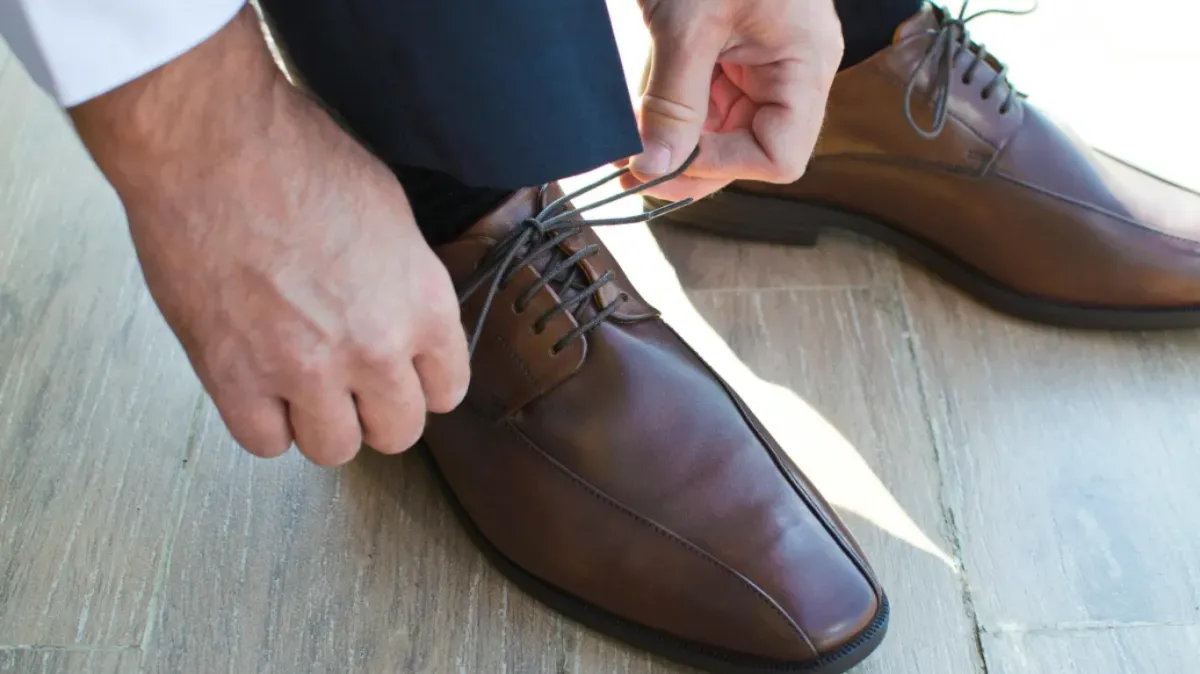
Quality clothing often tells a different story than fast fashion. A carefully tailored jacket, a handcrafted leather bag, or a pair of durable shoes can remain part of a wardrobe for years, accumulating memories and meaning along the way.
These items become more than possessions. They become reflections of a lifestyle built around appreciation rather than excess.
This shift demonstrates how fashion choices can reflect broader life philosophies about consumption, responsibility, and long-term thinking.
Dressing for Confidence, Not Approval
One of the most significant changes occurring within modern fashion culture is the movement away from dressing for validation and toward dressing for self-expression.
For decades, fashion marketing often focused on attracting attention, fitting in, or meeting societal standards of beauty. While those influences still exist, many people are beginning to prioritize how clothing makes them feel rather than how it makes them appear to others.
Confidence often comes not from wearing the most expensive outfit but from wearing something that feels authentic.
When individuals dress in a way that aligns with their personality and values, they often feel more comfortable, capable, and self-assured. Clothing becomes a source of empowerment rather than pressure.
This mindset encourages people to embrace their individuality and develop a personal style that reflects who they are rather than who others expect them to be.
The result is a more meaningful relationship with fashion—one based on self-awareness rather than comparison.
The Influence of Lifestyle on Fashion Choices
Lifestyle and fashion are deeply interconnected. The way people spend their time naturally influences how they dress.
Someone who values travel may prioritize versatile clothing that adapts to different environments. A creative professional may embrace expressive pieces that reflect artistic sensibilities. An entrepreneur might choose polished attire that communicates professionalism and confidence. A wellness enthusiast may gravitate toward comfortable, functional garments that support an active lifestyle.
In each case, clothing serves a practical purpose while simultaneously reflecting personal priorities.
As lifestyles evolve, wardrobes often evolve alongside them. The shift toward remote work, for example, has transformed how many people think about comfort, functionality, and versatility. Increasingly, consumers seek clothing that supports both professional responsibilities and personal well-being.
These changing preferences reveal an important truth: style is not static. It adapts to the values and realities of everyday life.
Fashion and the Power of Authenticity
Perhaps the most enduring trend in contemporary fashion is authenticity.
While trends may influence style, authenticity gives it meaning. Genuine personal style is not about owning the latest designer pieces or replicating what others wear. It is about understanding what resonates personally and making choices that reflect that understanding.
Authenticity requires self-awareness. It means recognizing what feels true to one's identity rather than chasing approval or fleeting trends.
When style is rooted in authenticity, it becomes timeless. It remains relevant regardless of changing fashion cycles because it is grounded in personal values rather than external expectations.
People are increasingly drawn to this idea because authenticity resonates far beyond fashion. It reflects a broader cultural desire for transparency, individuality, and meaningful self-expression.
Beyond the Wardrobe
The relationship between style and values extends beyond clothing itself. It influences how people approach beauty, home design, travel, wellness, and daily living.
The same individual who values sustainability in fashion may prioritize environmentally conscious choices in other aspects of life. Someone who embraces minimalism in their wardrobe may seek simplicity throughout their home and lifestyle. Those who prioritize creativity often express that value through multiple forms of self-expression.
Style becomes part of a larger narrative about how individuals choose to live.
It is not simply about what hangs in a closet but about the values that guide everyday decisions.
A Reflection of What Matters Most
Ultimately, personal style is one of the most accessible and powerful forms of self-expression. Every outfit tells a story—not just about taste, but about priorities, beliefs, experiences, and aspirations.
Whether through sustainable fashion choices, support for local artisans, minimalist wardrobes, bold creative expression, or timeless elegance, style provides an opportunity to align outward appearance with inner values.
In a world increasingly driven by visibility and personal branding, it can be easy to view fashion as superficial. Yet at its best, style is deeply meaningful. It reflects how people see themselves, what they stand for, and how they choose to engage with the world around them.
Fashion trends may come and go, but values endure. When personal style is built upon those values, it becomes something far more significant than clothing. It becomes a reflection of character, purpose, and identity—a quiet but powerful expression of what matters most.
