The Inner Shift: Cultivating Clarity, Balance, and Strength in a Chaotic World
Wellness begins when we stop chasing perfection and start choosing balance. Discover how mindfulness, nourishment, movement, rest, and meaningful connection can transform everyday life from the inside out.
There was a time when wellness was largely defined by physical appearance, exercise routines, and the latest health trends. Today, however, a growing number of people are embracing a broader and more meaningful understanding of what it truly means to be well. In a world marked by constant notifications, demanding schedules, information overload, and unprecedented levels of stress, wellness has become less about achieving perfection and more about finding balance.
This transformation—an inner shift toward greater awareness, intention, and self-care—is reshaping how people approach their daily lives. Across the globe, individuals are discovering that true health extends far beyond the body. It encompasses mental clarity, emotional resilience, meaningful relationships, purposeful living, and the ability to remain grounded amid uncertainty. Rather than seeking quick solutions or temporary fixes, many are turning inward, cultivating habits and practices that support long-term well-being.
The result is a wellness movement that is not driven by appearances or trends but by a deeper desire to live with greater authenticity, presence, and purpose.
The Cost of Living in Constant Motion
Modern life is faster than ever before. Advances in technology have created unprecedented convenience, yet they have also blurred the boundaries between work, personal life, and rest. Emails arrive at all hours, social media demands constant attention, and the pressure to remain productive often leaves little room for reflection.
For many people, this relentless pace has created a sense of disconnection. Despite being more connected digitally than any previous generation, feelings of burnout, anxiety, loneliness, and exhaustion have become increasingly common. The expectation to always be available, informed, and productive can leave individuals feeling overwhelmed and depleted.
In response, people are beginning to question whether endless busyness truly leads to fulfillment. More are recognizing that success loses its meaning when achieved at the expense of physical health, mental peace, and emotional well-being. This realization has sparked a growing movement toward intentional living—a conscious effort to slow down, simplify, and focus on what genuinely contributes to a meaningful life.
The shift is subtle but powerful. It begins with the understanding that wellness is not something to be achieved someday in the future. Instead, it is something that must be nurtured every day through the choices we make, the habits we cultivate, and the attention we give ourselves.
Rediscovering the Power of Presence
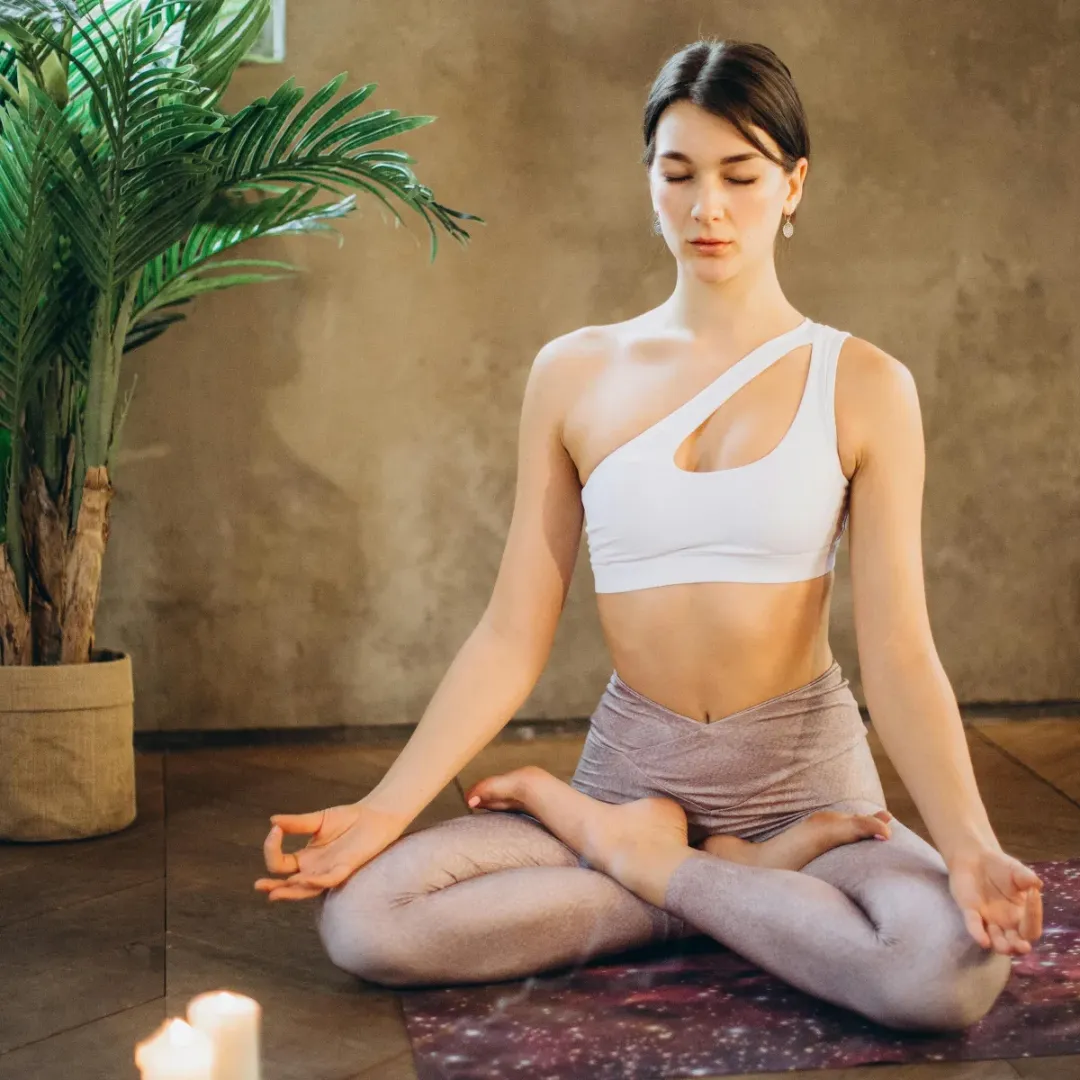
At the center of this wellness revolution lies mindfulness—the practice of paying attention to the present moment without judgment. While mindfulness has roots in ancient traditions, its relevance has never been greater.
In a culture where distractions are constant, presence has become a rare and valuable skill. Many people move through their days on autopilot, rushing from one responsibility to another without fully experiencing the moments in between. Mindfulness offers an alternative approach, encouraging individuals to slow down and reconnect with their surroundings, their thoughts, and their emotions.
This can take many forms. Some find mindfulness through meditation, spending a few quiet minutes each day focusing on their breath. Others cultivate awareness through journaling, prayer, nature walks, or simply taking time to enjoy a meal without distractions. These practices may seem simple, but their impact can be profound.
By learning to become more present, individuals often experience reduced stress, improved focus, and a deeper sense of gratitude. They become more aware of their needs, more intentional in their actions, and better equipped to respond to challenges with clarity rather than reactivity.
Mindfulness does not eliminate life's difficulties, but it helps people navigate them with greater calm and resilience.
Nourishment Beyond Diets and Trends
Food has always been central to human well-being, yet modern culture has often complicated our relationship with it. Endless diet trends, conflicting nutritional advice, and unrealistic expectations have left many people feeling confused about what healthy eating actually means.
The emerging wellness movement is helping to shift the conversation away from restriction and toward nourishment.
Rather than focusing solely on calories or appearance, people are increasingly considering how food affects their energy levels, mood, mental clarity, and overall quality of life. Whole foods, plant-based ingredients, and nutrient-rich meals are gaining popularity not because they are fashionable, but because they support long-term health and vitality.
This approach emphasizes balance over perfection. It recognizes that wellness is not about following rigid rules but about developing a sustainable relationship with food. It encourages individuals to listen to their bodies, enjoy meals mindfully, and appreciate food as both nourishment and connection.
Around the world, communities are rediscovering traditional culinary practices that emphasize fresh ingredients, shared meals, and seasonal eating. These habits not only promote physical health but also foster a deeper appreciation for culture, family, and community.
In many ways, mindful eating represents a return to simplicity—an acknowledgment that some of the most powerful health practices are also the most natural.
Movement as a Celebration of Strength
The role of exercise is also evolving. For decades, fitness was often marketed as a means of transforming one's appearance. While physical goals remain important to many, there is growing recognition that movement offers benefits that extend far beyond aesthetics.
Today, people are increasingly embracing exercise as a way to enhance their quality of life. Walking, swimming, cycling, yoga, strength training, dance, and countless other forms of movement are being valued for the joy, energy, and confidence they provide.
Rather than asking, "How can I change my body?" many are beginning to ask, "How can I support my body?"
This shift encourages a healthier and more sustainable relationship with fitness. Movement becomes less about punishment and more about self-respect. It becomes an opportunity to build strength, improve mobility, reduce stress, and cultivate a sense of connection with one's physical self.
Regular physical activity has been shown to improve mood, increase energy levels, support cardiovascular health, and reduce the risk of chronic disease. Equally important, it can serve as a powerful reminder of what the body is capable of accomplishing.
In a world that often emphasizes limitations, movement allows individuals to experience their strength firsthand.
The Rising Importance of Emotional Wellness
Perhaps one of the most significant developments in modern wellness is the growing emphasis on emotional and mental health.
For generations, discussions surrounding mental health were often avoided or stigmatized. Today, those conversations are becoming more open, compassionate, and informed. People are increasingly recognizing that emotional well-being is not separate from physical health—it is an essential component of overall wellness.
Emotional wellness involves understanding, expressing, and managing emotions in healthy ways. It means acknowledging challenges rather than ignoring them and seeking support when needed. It includes practices such as self-reflection, therapy, boundary-setting, and cultivating supportive relationships.
In recent years, the concept of emotional hygiene has gained attention. Just as people brush their teeth and care for their bodies, emotional hygiene encourages regular practices that support mental health. This might include limiting exposure to negativity, practicing gratitude, engaging in meaningful conversations, or allowing time for rest and recovery.
These habits help build resilience—the ability to adapt and recover during difficult times. Resilience is not about avoiding hardship. Rather, it is about developing the inner resources needed to navigate challenges with courage and perspective.
As awareness continues to grow, emotional wellness is becoming recognized not as a luxury but as a necessity.
Creating Space for Rest and Recovery
In many cultures, rest has long been undervalued. Productivity is often celebrated, while rest is sometimes mistaken for laziness. Yet research and experience continue to demonstrate that recovery is essential for both physical and mental health.
Sleep, in particular, plays a critical role in cognitive function, emotional regulation, immune health, and overall well-being. Despite this, millions of people sacrifice sleep in pursuit of work, entertainment, or endless responsibilities.
The wellness movement is helping to challenge these habits by emphasizing the importance of restoration. Quality sleep, relaxation, and downtime are increasingly viewed as investments in health rather than obstacles to success.
People are creating evening rituals, establishing healthier boundaries around work, and prioritizing moments of stillness throughout the day. These practices not only improve well-being but also enhance creativity, productivity, and emotional balance.
Rest is no longer seen as something earned after exhaustion—it is recognized as a fundamental human need.
Purpose, Connection, and Meaning
Beyond nutrition, fitness, and self-care lies another essential element of wellness: purpose.
Human beings thrive when they feel connected to something greater than themselves. Whether through family, community involvement, creative pursuits, spiritual practices, or meaningful work, purpose provides direction and fulfillment.
Studies consistently show that strong social connections contribute significantly to happiness and longevity. Meaningful relationships offer support during difficult times and enrich everyday experiences. Likewise, engaging in activities that align with personal values fosters a deeper sense of satisfaction and well-being.
This aspect of wellness reminds us that health is not merely an individual pursuit. It is deeply connected to how we interact with others and contribute to the world around us.
When people feel purposeful and connected, they are more likely to experience a lasting sense of fulfillment that transcends material success.
The Future of Wellness
As society continues to evolve, wellness is likely to become even more holistic and personalized. Advances in science, technology, and healthcare will undoubtedly provide new tools and insights, but the core principles of well-being will remain timeless.
Awareness. Balance. Nourishment. Movement. Rest. Connection. Purpose.
These are not passing trends. They are enduring foundations of a healthy and meaningful life.
The future of wellness may include innovative technologies and personalized health solutions, but its heart will always lie in the simple daily choices that support our physical, mental, and emotional well-being.
A Lifelong Journey Inward
The inner shift is ultimately a return to ourselves. It is a recognition that amid the noise, pressure, and distractions of modern life, our greatest source of strength already exists within us.
True wellness is not about achieving a perfect routine, following every trend, or reaching an idealized version of ourselves. It is about cultivating awareness, honoring our needs, and creating a life rooted in balance and intention.
Through mindful choices, meaningful connections, and a commitment to caring for both body and mind, we develop the resilience needed to navigate an ever-changing world. We learn that strength is not found in constant striving but in the ability to remain grounded, adaptable, and present.
In an age defined by acceleration, the greatest act of self-care may simply be slowing down long enough to remember what truly matters. By doing so, we cultivate not only better health but also greater clarity, deeper fulfillment, and a lasting sense of peace that radiates far beyond ourselves and into the lives of those around us.
